If you run a small business in Helensburgh, you may have asked yourself:
“Should I remain a sole trader, or would forming a limited company make more sense?”
As an accountant working with businesses in Helensburgh, it’s a question that comes up regularly.
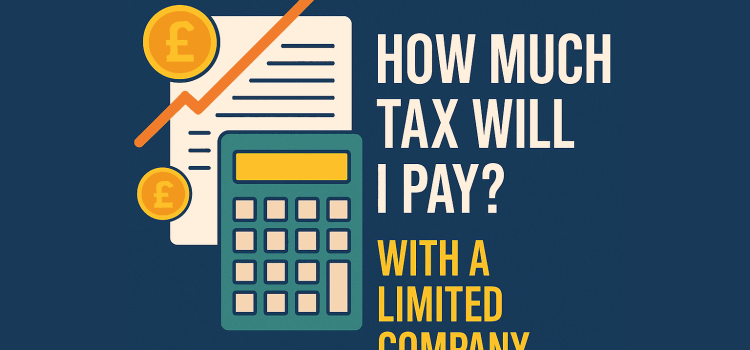
A useful rule of thumb is that once your profits reach around £40,000 per year, it’s worth seriously reviewing whether a limited company structure could be more tax-efficient. Below is a simple illustration of why this level of profit often becomes a tipping point.
Tax Position as a Sole Trader
When you operate as a sole trader, your business profits are treated entirely as personal income. The structure is simple and often ideal when a business is first starting.
For example, with £40,000 profit in the 2025/26 Scottish tax year:
- Personal Allowance: £12,570 tax-free
- Starter Rate (19%) on £2,162 = £411
- Basic Rate (20%) on £11,829 = £2,366
- Intermediate Rate (21%) on £13,439 = £2,822
You would also pay Class 4 National Insurance:
- 6% on £27,430 = £1,646
✅ Total tax and National Insurance: £7,245
✅ Take-home income: £32,755
The system is straightforward, but as profits grow, the tax bill increases and there are fewer planning opportunities.
Using a Limited Company
Operating through a limited company can offer greater flexibility. As the owner, you typically become both a director and shareholder, allowing you to take income through a mix of salary and dividends.
Using the same £40,000 profit, the picture changes slightly.
Director’s Salary
You could pay yourself a salary of £12,570.
- This uses your Personal Allowance, meaning no income tax.
- Employer NIC would apply on the amount above £9,100:
£3,470 × 13.8% = £479
Employee National Insurance would remain £0.
Corporation Tax
After paying the salary, company profit would be £27,430.
Corporation tax at 19%:
£27,430 × 19% = £5,211
Dividends
Profit remaining after tax = £22,219
- First £500 dividend allowance tax-free
- Remaining £21,719 taxed at 8.75%
Dividend tax = £1,899
✅ Total personal take-home: £32,890
At this profit level the difference is modest, but the advantage increases as profits grow further.
Why Around £40,000 Matters
When a business reaches profits of around £40,000, it’s usually becoming more established. While remaining a sole trader keeps things simple, forming a company begins to offer some practical advantages:
- Improved tax efficiency as profits increase
- Ability to retain profits in the business instead of withdrawing everything
- Greater credibility with some suppliers or larger clients
- Limited liability, meaning personal assets are generally protected from business debts
Advantages of Going Limited in Helensburgh
For many growing businesses, incorporation becomes increasingly attractive.
- Tax planning opportunities: once profits exceed roughly £50,000, the gap in tax efficiency can widen significantly.
- Flexible income planning: combining salary and dividends allows you to manage tax each year.
- Business growth options: companies make it easier to add shareholders, bring in investment, or sell the business later.
- Protection: limited liability separates personal finances from business risk.
Advice from a Local Helensburgh Accountant
Many small business owners I’ve worked with in Helensburgh eventually move from sole trader to limited company once their business reaches a certain scale. A common comment afterwards is:
“I wish I’d looked at this sooner.”
The decision isn’t purely about tax. It’s about choosing a structure that supports long-term stability and growth.
If your business profits are approaching £40,000, it may be the right time to review whether operating as a limited company would leave you better off.
Get in touch with Helensburgh Accountants to discuss your situation and see what structure makes the most sense for your business.